

Investing in transition
Infrastructure: bridging the gap between ambition and reality


A combination of forces – from climate adaptation and electrification to digitalisation and energy security – is driving a new wave of infrastructure investment. Addressing these priorities will demand substantial capital to renew ageing assets, increase capacity and enhance resilience – resulting in long-term investment opportunities.
Key takeaways
- Infrastructure underpins resilience to climate risks including heat, water stress, and flooding.
- Legacy assets can become constraints unless investment addresses capacity, resilience and long-term adaptability.
- The energy transition and AI boom are significant drivers of infrastructure demand.
- Infrastructure offers a long-term transition investment opportunity in public and private markets.
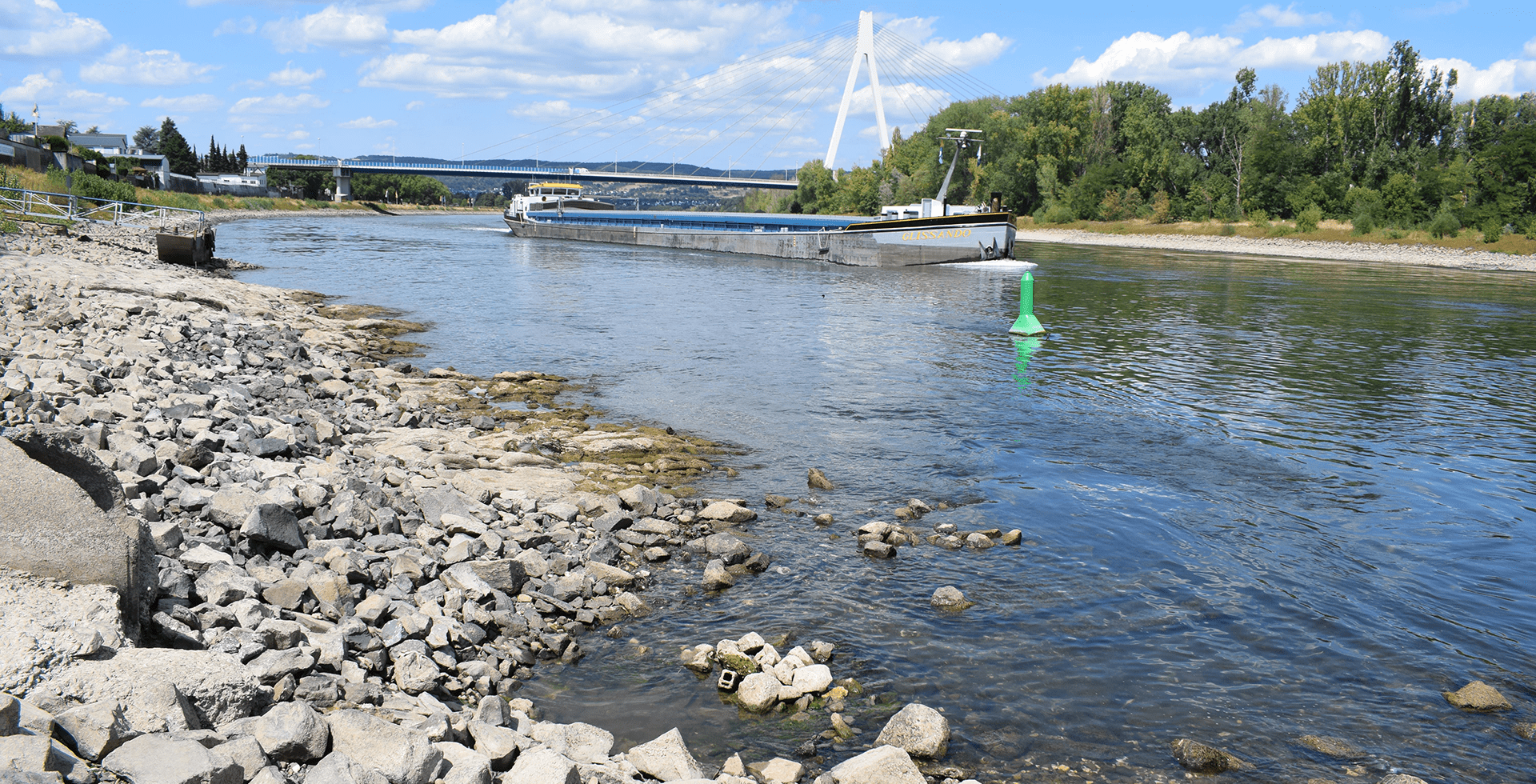
Record temperatures across the northern hemisphere this summer have disrupted transport networks, water availability and energy demand, highlighting the importance of infrastructure as the backbone of a well-functioning economy.
Infrastructure is central to both sides of the climate challenge: there is a need to adapt to physical climate impacts while reducing the emissions embedded in energy and transport systems. In highly developed regions, 70% of emissions derive from energy and transport systems. Ensuring the resilience of infrastructure is therefore critical to sustainability, adaptation and transition ambitions – and central to this is the energy transition.
As significant investors in this area across private and public markets we believe private investment is essential to meet future infrastructure challenges, especially in the context of rising public debts. Investment will help in adapting mature infrastructure systems to support the energy transition, while scaling up developing opportunities. For investors, this is likely to propel the scale, style and focus of infrastructure finance and further enhance its position as an asset class that we believe can offer diversification benefits and an attractive long-term risk-reward profile.
“The energy transition remains a core structural driver shaping infrastructure, but it is increasingly shaped by additional dynamics, in particular digitalisation – increasingly driven by AI – and geopolitical volatility. Together, these dynamics are broadening and deepening the opportunity set. AI-driven technologies and digital infrastructure, including data centres, are creating structural growth in energy demand, reinforcing the need for reliable, low-carbon power and grid reinforcement.
At the same time, geopolitical fragmentation is leading to the prioritisation of energy security and resilience, with an increased investment focus on critical infrastructure and domestic energy systems such as energy grids and battery storage.
For institutional investors, this is creating a broader opportunity set across clean energy, networks and enabling infrastructure.”
Marta Perez, CIO Infrastructure, Private Markets at Allianz Global Investors
Sustainability driver
Infrastructure is a critical enabler of the UN’s 17 Sustainable Development Goals (SDGs) addressing affordable and clean energy, industry, innovation, and infrastructure, and sustainable cities and communities.
Estimates indicate USD 139-151 trillion will be spent on infrastructure by 20501 including USD 100 trillion by 2040.2 The level and pace of investment differ across regions, with Asia Pacific accounting for more than half of global infrastructure investment by 2050 and Africa recording the fastest growth.3
Europe and North America must invest in updating existing and sprawling infrastructure to meet climate adaptation priorities, while other regions will focus on building new capacity. This includes China’s substantial investment in electrification.
Sustainable investments can play a role because well-designed infrastructure sits close to the goals of sustainable finance, meeting both long-term public interests and the ability to support transition. Infrastructure is already embedded in green finance through explicit inclusion in the EU Sustainable Finance Disclosure Regulation (SFDR) and incorporated into SFDR-aligned sustainable investment shares – which define the proportion of a fund that is sustainable – facilitating potential inclusion into Article 8 or 9 funds.
The EU Taxonomy4 – which determines environmental sustainability criteria – can also help to qualify infrastructure investment as sustainable. Several activities within the taxonomy link directly to beneficial services provided by infrastructure projects.
Replacing and repairing
Resilient infrastructure faces several challenges when assets are upgraded or replaced, including maintaining existing services without interruption, accommodating evolving demand, integrating new infrastructure, and ensuring long-term suitability.
As we transition toward a more electrified world, the development of renewable energy raises its own challenges. By their nature, renewables are a more decentralised and intermittent way of producing energy. Electrical grids will need to adapt. Smart grids (see Exhibit 1), which match production more closely to real demand, are key to optimising energy production.
However, there is a danger of overburdening grids that may already be under strain or undermaintained. An example of this is the failure of a century-old electrical hook on an electricity transmission tower, which ignited a tragic and destructive fire in California in 2018.5
Exhibit 1: Simplified example of a smart grid

Source: Allianz Global Investors Research, 2026
Moreover, the intermittent nature of renewable energy requires storage solutions. While there are various possibilities, from battery storage and water pumping to hydrogen production, each requires its own dedicated investment in infrastructure. For example, hydrogen will require new dedicated factories, storage and transportation facilities, while hydro power faces challenges of pumping water to higher ground for storage.
Energy infrastructure must also be scaled up to meet societal demand. Germany’s electrical grid alone is estimated at 1.7 million km across all voltage levels,6 and around 40% of Europe’s energy grid is over 40 years old.7
For transport, the transition to electrification is seen as the main solution to decarbonise the sector, which will place additional pressure on power grids. It also creates new infrastructure needs, such as charging stations roadside or home charging stations, especially for collective housing where this is now becoming a legal requirement in some locations.
Cost of legacy
The push towards renewable energy highlights the crucial issue of inherited infrastructure, which often reflects generations of political decisions.
Today’s infrastructure is a legacy of the norms, needs and technologies of earlier times. As new demands emerge, ageing systems increasingly require modernisation and repair, alongside investment in entirely new infrastructure. The related costs are often significant: a recent report from the US found that removing lead water pipes in the US would cost up to USD 15 billion over 10 years,8 while the cost of modernising and repairing Europe’s electricity grid is estimated at EUR 584 billion.9
Beyond the economic burden, such projects require the alignment of many stakeholders (see Exhibit 2). These include public authorities and landowners as well as the private firms chosen to build, repair or maintain assets – with differing interests in how the infrastructure is used, which can lead to inertia. Once agreement is reached, there is the question of lifetime: infrastructure is not built for several years, but for decades, and in some cases, centuries. Future use must be anticipated.
Exhibit 2: The lifecycle of infrastructure

Source: AllianzGI Research, 2026
Exhibit 2 illustrates how the lifecycle of an infrastructure asset can be at risk of resistance to change. This can result in existing infrastructure remaining in place even when it is no longer fit for purpose, or a particular technology being retained not because it is the best available option, but because replacement would require complex adaptation, significant investment or disruption to services. Overcoming such inertia requires specific strategies, otherwise transition may be slowed.
The next phase
We anticipate that infrastructure development and financing will be shaped by climate adaptation, emissions mitigation, resilience to physical and cyber risks, enhanced security and the ongoing transition to a low-carbon economy
Exhibit 3: Infrastructure as the backbone of well-functioning society

Source: Allianz Global Investors, Building resilience through innovative infrastructure, February 2026
Infrastructure risks rarely remain confined to one system. Consider the impact of changing climate patterns, which can have multiple implications: extreme heat can damage electrical equipment, restrict cooling of nuclear plants and disrupt rail networks. This interdependence increases both the urgency and complexity of investment. It also requires infrastructure that is ready for the uncertainties of the future.
One example of this is the AI boom with its rapidly increasing demand for data centres, putting pressure on electricity networks and water supplies. Many facilities are being built in regions already experiencing water stress, highlighting the need for investment in the infrastructure required to support a more digital economy.
Investing in resilience
Infrastructure investment competes with the pressures of strained public finances and other rising expenditure targets like defence. The good news is that global infrastructure investment is accelerating, driven by energy and technology assets, and has been met by a surge of private capital according to McKinsey. In 2025, global infrastructure fundraising reached almost USD 200 billion, compared to USD 180 billion in 2022.10
Expansion and innovation in private finance will be critical to supporting the required investment – as we noted in this paper on electrification and AI.
Our conviction is that infrastructure investments target the future drivers of economic and financial performance and are key to the necessary acceleration towards greater resilience. As climate adaptation, electrification, digitalisation and energy security reshape the global economy, infrastructure is moving from a supporting role to a strategic one. The scale of investment required is substantial, but so too is the opportunity for investors able to help bridge the gap between ambition and reality.
See some of our private markets infrastructure investments:
Energy security - NeuConnect established the first direct energy link between Germany and the UK. Spanning 725 km of cables beneath the North Sea, this “invisible energy highway” enables the exchange of up to 1.4 GW of electricity and helps to strengthen energy security and the energy transition by integrating renewable power across two of Europe’s largest markets.
Water accessibility - Allianz Global Investors provided GBP 200 million as one of the largest lenders for the multi-billion pound financing of the Haweswater Aqueduct Resilience Programme - one of the largest water infrastructure programmes across the UK. HARP will replace and maintain six tunnels of a 110km pipeline that is more than 70 years old.
Rail transport - Allianz Global Investors contributed EUR 256 million to a financing package for refurbishing and transfer of approximately 200 trains to a regional express train network in France.
Read more from us on infrastructure:
Building resilience through innovative infrastructure | AllianzGI
Infrastructure & energy transition | Allianz Global Investors
Digital Infrastructure | Allianz Global Investors
The 3Ds of Infrastructure | Allianz Global Investors
1 EY, Sustainable infrastructure: a paradigm shift towards greener investments, 2024
2 McKinsey, What is infrastructure, 2025
3 McKinsey, What is infrastructure, 2025
4 European Commission, EU taxonomy for sustainable activities, March 2026
5 NBC, Long term wear on PG&E line that sparked camp fire, 2019
6 Federal Ministry for Economic Affairs and Industry, Grids and infrastructure, 2026
7 European Commission, Comission sets out actions to accelerate the roll-out of electricity grids, 28 November 2023
8 Brookings, What would it cost to replace all the nation’s lead water pipes, October 2024
9 European Commission, Comission sets out actions to accelerate the roll-out of electricity grids, 28 November 2023
10 McKinsey, What is infrastructure, 2025